Evermotion: More Than an Asset Library
How Evermotion became a full-scale production partner for archviz, automotive and synthetic data.


Total: € 0
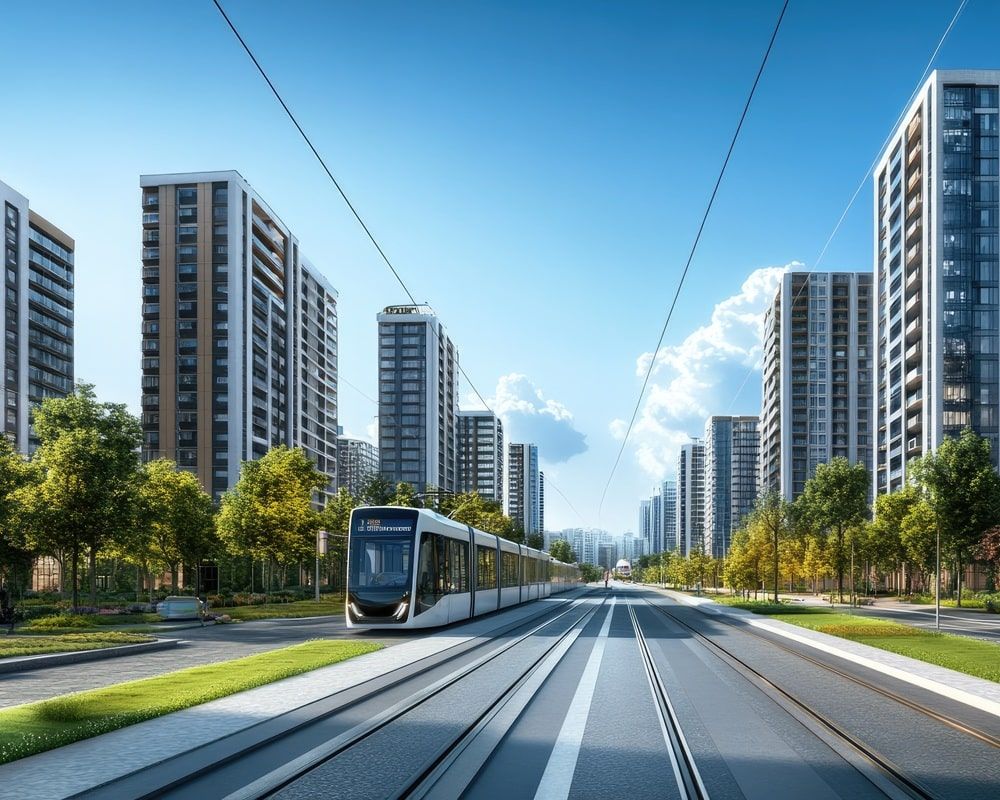

In architectural visualizations, street-level details play a crucial role in grounding the environment and enhancing realism. Urban accessories, such as benches, bins, and lamps, do more than fill space; they establish mood, indicate scale, and provide viewers with visual cues about the setting. When carefully placed, these elements help turn a raw 3D scene into a believable public space.
Designers aiming for complete and coherent cityscapes often integrate accessories in areas around Buildings and Storefronts to enhance narrative and structure. These elements bring everyday familiarity to digital streets. Benches suggest relaxation, bins imply urban upkeep, and street lamps hint at the time of day.
High-quality accessories also complement other urban categories like Street elements, creating harmony between roads, sidewalks, and the items placed upon them. Proper arrangement helps define pathways, public zones, and commercial activity. This is crucial when building city scenes, residential zones, or even transportation hubs.
Small changes in object placement = major improvements in realism
Accessory diversity = greater environmental depth
Street furniture enhances not only style but also function within your visualization. Grouped intelligently, these details make your scenes both visually rich and contextually clear.
Creating a convincing exterior is not just about architecture; it’s about context. Adding accessories such as trash bins near Storefronts, or placing benches by Railings, provides a sense of planning and human behavior. These small decisions reflect how real spaces are organized.
Think of how viewers interpret visual environments: they read the accessories. A lonely street lamp, a well-placed public bin, or a few scattered benches offer subtle cues that bring depth to the image. Placing these details in relation to Fences or Gates outlines boundaries, navigation, and purpose. For example, a public seating area located beside an entrance conveys a welcoming design.
In public renderings, urban accessories often tie together multiple categories. Lamps near Sculptures enhance ambiance, while bins placed around Garden areas signal maintenance and realism. Every object serves a role.
Two quick applications:
Urban spaces feel sterile without these additions. Well-distributed accessories guide the eye, break repetition, and enhance believability without overwhelming the core architecture.
Accessories act as visual bridges between open spaces and enclosed architecture. By aligning street furniture with major elements such as Gates and Fences, artists establish clear transitions between public zones and private or semi-private areas. This clarity matters especially in residential scenes or commercial blocks.
When planning your scene, consider how benches, lamps, and bins affect movement and interaction. Their placement indicates gathering spots, resting points, or transitions. A street lamp on the edge of a Garden or near a Gas station tells viewers something about safety, access, and planning without saying a word.
The goal isn’t overfilling a space. Instead, place accessories where they guide, support, and complement the scene’s intention. In renders featuring Buildings, these items help define entrances, public seating, and service access. Bins add maintenance logic, while streetlights can outline night functionality.
Here’s a balanced formula:
Urban accessory placement = better scene narrative + smoother visual flow
These subtle yet effective details enhance the realism and practicality of every rendered space, lending them visual clarity and spatial purpose.
Without a clear hierarchy, urban renders can feel cluttered or flat. Street furniture and accessories help establish that hierarchy, lending weight to zones such as walkways, plazas, and waiting areas. In conjunction with core structures like Railway stations or Buildings, accessories create layers that support both composition and realism.
Think of a bench placed under a street lamp or next to a bin; it tells a story of rest, routine, or waiting. When supported by elements like Railings or Fences, that micro-scene becomes even more believable. The arrangement of these items can guide the viewer’s eye from one visual anchor to another.
Accessories often serve as soft separators, distinguishing active paths from resting areas or service zones. A well-placed lamp near Street elements, such as signs or bollards, improves nighttime visibility. Adding bins near Storefronts provides consistency for commercial zones.
Pro tip:
These contrasts help define what is maintained versus abandoned, clean versus aged, adding complexity and mood to your render without increasing model count.
Many artists focus heavily on the main architecture, but the spaces between matter just as much. Sidewalks, small plazas, or even gas station forecourts all benefit from accessories that define purpose and usability. Benches, street lamps, and waste bins often work best in transitional zones, those in-between areas that hold a scene together.
Incorporating accessories near Gas station lots or between Gates and Garden paths strengthens the scene’s transitions. These subtle additions help prevent emptiness in areas that otherwise lack focal points.
Strategic use of urban accessories also prevents visual repetition. While major structures like Buildings or Storefronts remain static, the addition of bins, benches, and lighting allows you to diversify space affordably. The result is a more complete environment.
Two ideas that work well:
This kind of thoughtful placement ensures even the smallest parts of your scene support the bigger picture.
Finalizing a CG scene is more than adjusting light and materials. It’s about asking: does this space feel functional and lived-in? Accessories help answer that. Lamps illuminate; bins define usage; benches invite pause. Each one contributes meaningfully to how the viewer reads your scene.
Urban accessories complement what static structures initiate. While Buildings, Fences, or Railings define the borders and height, it’s the accessories that bring those structures to life. When aligned with nearby elements like Sculptures or Street elements, these items add detail without distraction.
More than filling space, accessories organize it. They help direct focus, improve realism, and make the viewer feel something familiar. A bench under a light by a gate isn’t just furniture; it’s part of a believable world.
Finish your scenes strong:
With consistent, detail-focused placement, your renders gain credibility, depth, and coherence. That’s the difference between a simple model and a story-ready environment.








LEAVE A COMMENT



|

|

|

|

|
 Customer zone
 Your orders
 Edit account
 Add project
 Liked projects
 View your artist profile
COMMENTS