Evermotion: More Than an Asset Library
How Evermotion became a full-scale production partner for archviz, automotive and synthetic data.


Total: € 0
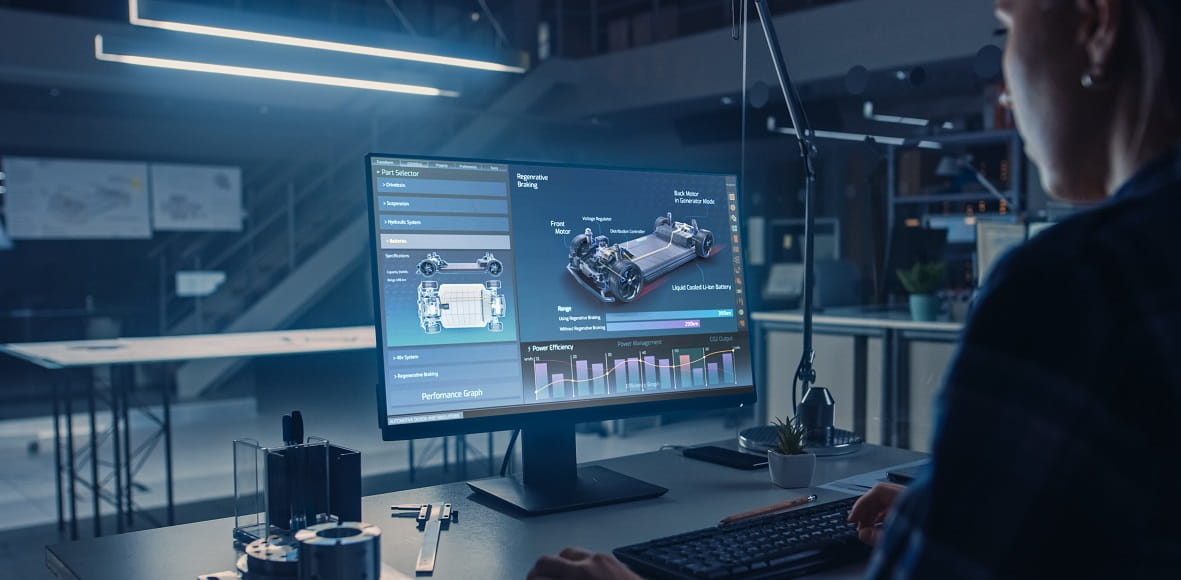

This transformative technology is the backbone for various applications, from the intricate details of architectural masterpieces to the strategic layouts of urban development and beyond. Its versatility and efficiency have rendered 3D modeling an essential tool for professionals seeking to push the boundaries of design, engineering, and spatial planning.
The transformative power of 3D modeling in architecture is reshaping the way architects envision and bring to life the buildings and structures of tomorrow. By offering the ability to visualize complex designs with unprecedented precision and flexibility, 3D modeling bridges the critical gap between the conceptual phase and the realization of architectural projects. It enables the creation of detailed, scalable models essential for planning, presentation, and refinement. This facet of technology empowers professionals within the architecture and design industry to push the boundaries of creativity, ensuring that every facet and feature of a proposed structure is thoroughly considered and meticulously planned before any physical construction commences. The capacity to preemptively identify and address potential design challenges or structural issues dramatically enhances the efficiency of the architectural process, facilitating a smoother transition from concept to construction and ultimately ensuring that the final product not only meets but exceeds the expectations of both architects and their clients.
In the realm of urban planning, 3D modeling plays a crucial role in crafting the cities of the future. By simulating detailed urban environments, planners gain the invaluable ability to foresee the impacts of their designs on the urban fabric. This encompasses many considerations, from the practical implications of sunlight and shadow to the aesthetic integration of new structures within existing landscapes. Using detailed 3D models enables urban planners to anticipate and mitigate potential issues early in the planning process, fostering a proactive approach to urban design. Furthermore, these models serve as powerful tools for engaging with community members and stakeholders, offering realistic visualizations that help to convey the vision and benefits of proposed developments more effectively. This level of engagement is instrumental in ensuring that future urban projects enhance the architectural landscape and significantly improve the quality of life for the communities they serve.
The impact of 3D modeling in the architecture and design industry extends into the domain of interior design, where it has facilitated a significant transformation. Designers leverage 3D models to generate detailed renditions of interior spaces, enabling a dynamic and comprehensive exploration of various design elements such as textures, colors, and spatial layouts. This capability dramatically enhances the designer-client interaction, providing a platform for immersive experiences that allow clients to visualize and personalize their spaces in real-time. Such interactive design processes ensure that the final interior spaces perfectly align with clients' visions, reflecting their preferences and lifestyle requirements to the finest detail. The ability to experiment with and visualize different design scenarios before any physical changes are made maximizes client satisfaction. It streamlines the design process, reducing the likelihood of costly revisions and ensuring a more efficient project timeline.
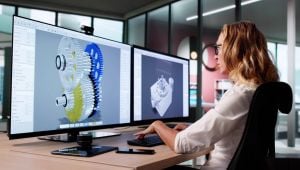
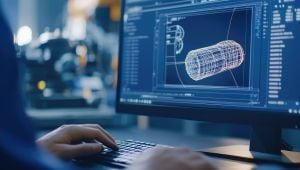
3D modeling has become an indispensable tool in engineering, with unparalleled demands for accuracy and detail. The technology enables engineers to perform comprehensive simulations, stress analyses, and feasibility studies with precision far surpassing traditional methods. This capability is critical in identifying potential issues and ensuring engineering projects' structural integrity and safety before they proceed to the construction phase. By facilitating a more thorough and accurate analysis of designs, 3D modeling significantly streamlines the engineering process, reducing the risk of errors and ensuring that projects are completed within their intended specifications. This contributes to the creation of safer, more reliable structures and optimizes resource allocation and project timelines, marking a significant advancement in engineering.
In product design, 3D modeling has emerged as a game-changing technology, enabling designers to conceptualize, iterate, and refine their creations with remarkable speed and accuracy. This process is crucial in developing everything from ergonomic furniture to the latest technological gadgets, where 3D models play a pivotal role in visualizing and testing design concepts before they move into production. The ability to rapidly prototype and modify designs in a virtual environment fuels creativity and innovation and significantly reduces the time and costs associated with traditional prototyping methods. This efficiency accelerates the product development cycle, allowing designers to bring new and improved products to market more quickly and competitively.
The application of 3D modeling for visualization spans a broad array of fields, enhancing how professionals communicate complex ideas and concepts. Whether it's through creating detailed 3D models for client presentations or developing immersive environments for stakeholder engagement, visualization techniques enable a more effective and impactful communication of ideas. This aspect of 3D modeling is particularly crucial in decision-making processes, where the ability to clearly visualize and understand proposed designs and concepts can significantly influence outcomes. 3D modeling facilitates a deeper comprehension and appreciation of projects by providing a vivid and accurate representation of ideas, fostering more informed discussions and collaborative decision-making among all stakeholders involved.
In conclusion, the role of 3D modeling across multiple industries cannot be overstated. Its ability to drive innovation, enhance accuracy, and facilitate deeper engagement with designs and concepts has made it an indispensable tool in today’s fast-paced and increasingly digital world. From the meticulous planning required in architecture and urban design to the creative exploration in interior design and from the precision in engineering projects to the innovation in product design, 3D modeling stands at the forefront of technological advancement. It transforms how professionals across various fields conceptualize, develop, and communicate their ideas, bringing a level of clarity and realism previously unattainable.


LEAVE A COMMENT





|

|

|

|

|
 Customer zone
 Your orders
 Edit account
 Add project
 Liked projects
 View your artist profile
COMMENTS